Postdoc research
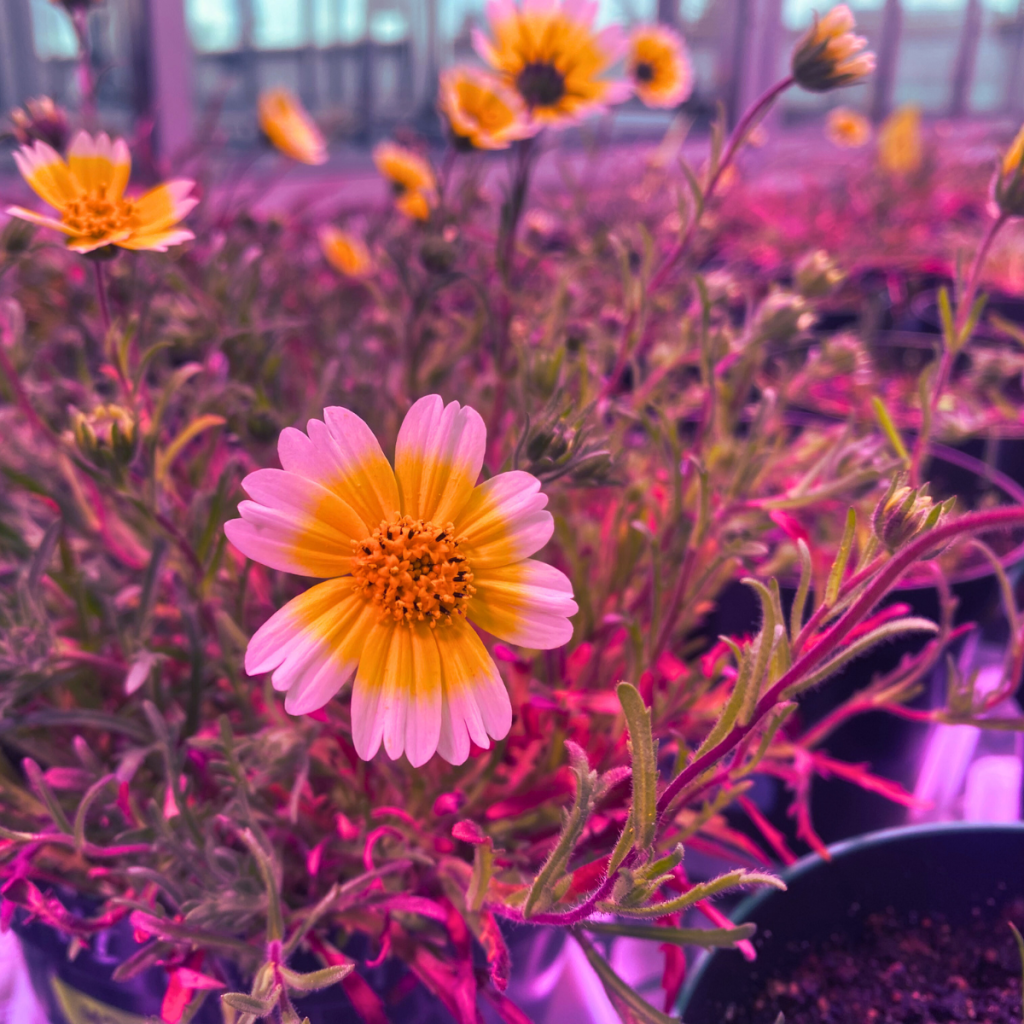
Variation in the timing and intensity of precipitation is expected to increase in the western US. In a large-scale, fully factorial greenhouse study, I am comparing species interactions between three annual species in response to watering treatments that differ in frequency and amount. I will then use these data to assess how precipitation regimes influence coexistence outcomes. This research is supported by a National Science Foundation Postdoctoral Fellowship in Biology.
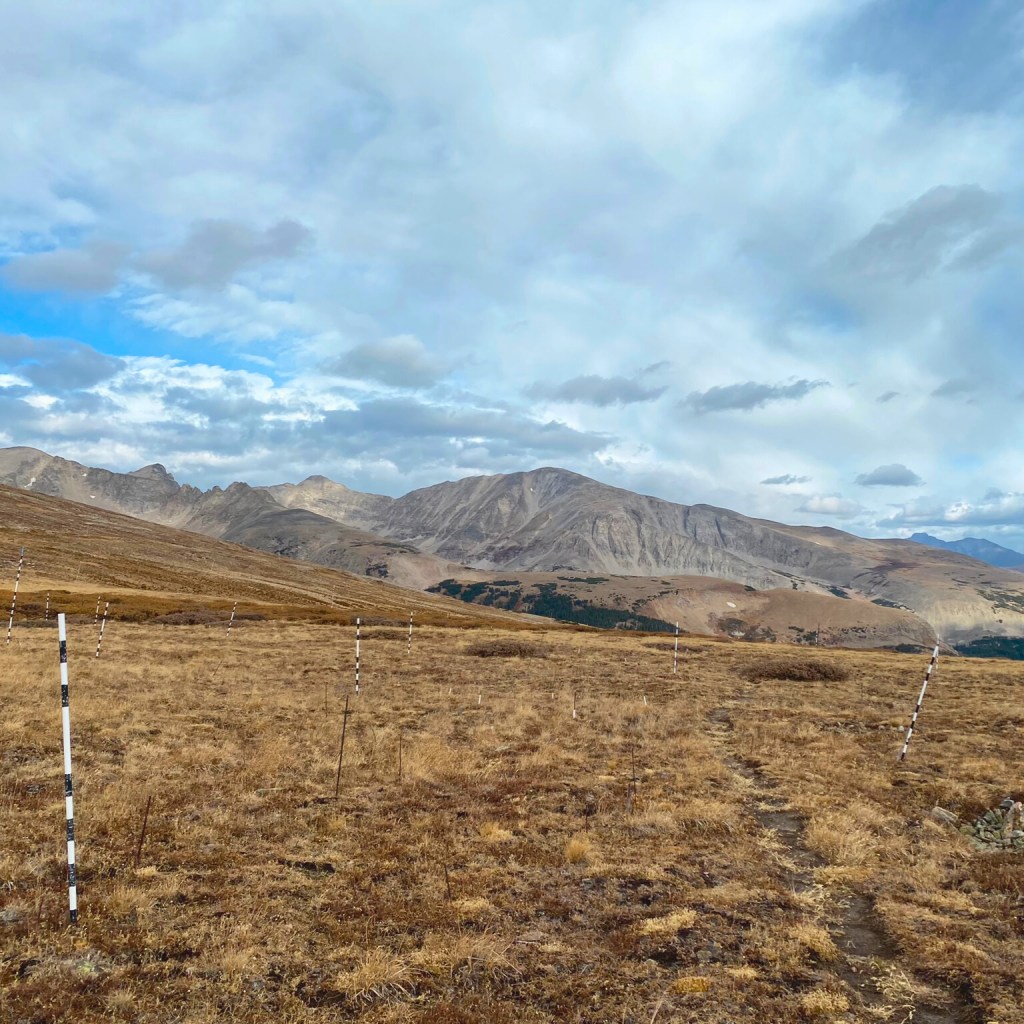
Community synchrony, a measure of species covariance within a community, is an important determinant of stability. However, as community synchrony is typically calculated through aggregation of multiple species responses, it is often not possible to identify species-level drivers of synchrony trends. Through analysis of long-term plant cover data from Niwot Ridge, Colorado, I am using pairwise species synchrony to gain new insight into how dynamic these pairwise affiliations are over time, as well as their sensitivity to global change drivers.
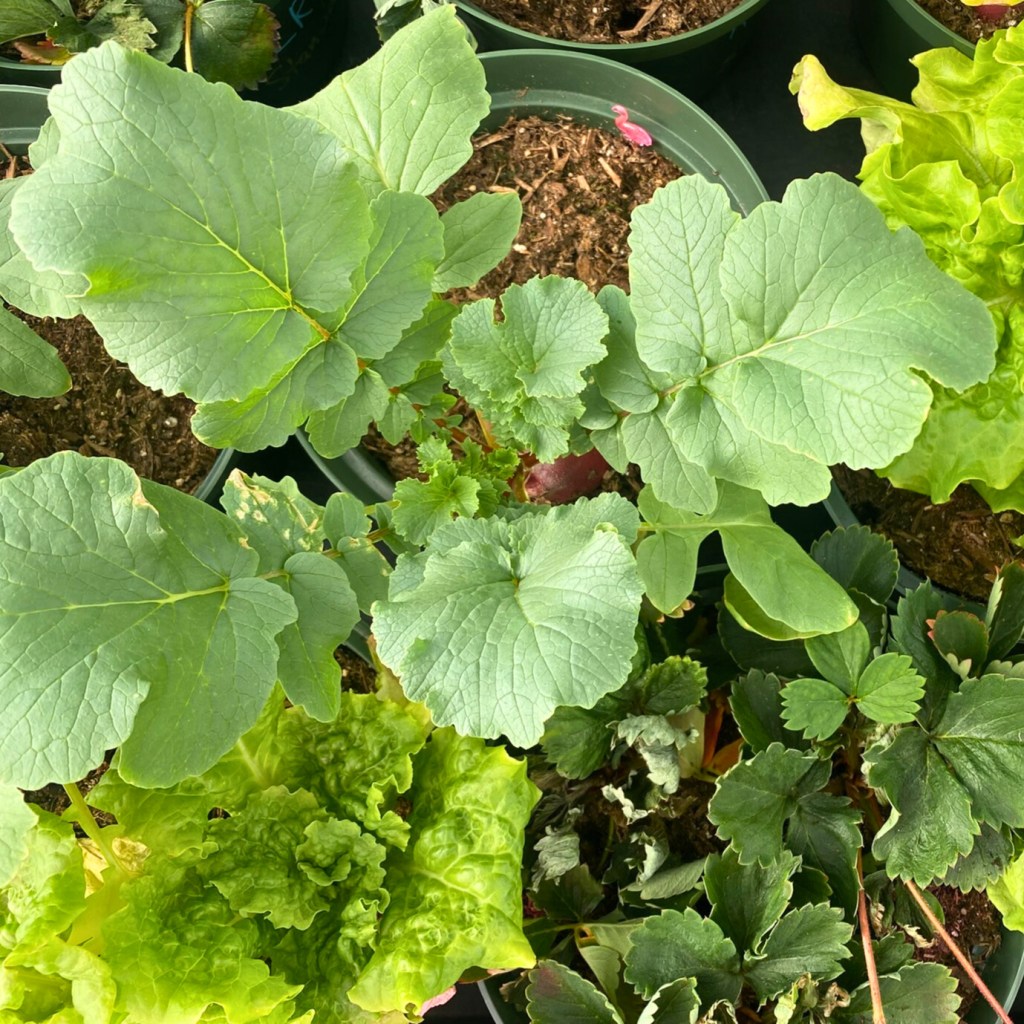
With PI Lauren Shomaker, I am applying ecological theory to agricultural systems to explore whether different planting densities and configurations reduce resource use and increase crop yields in a greenhouse setting. Our focal crops are strawberry, radish, and lettuce. This research is supported by the Center for Controlled Environment Agriculture at the University of Wyoming.
Current collaborations
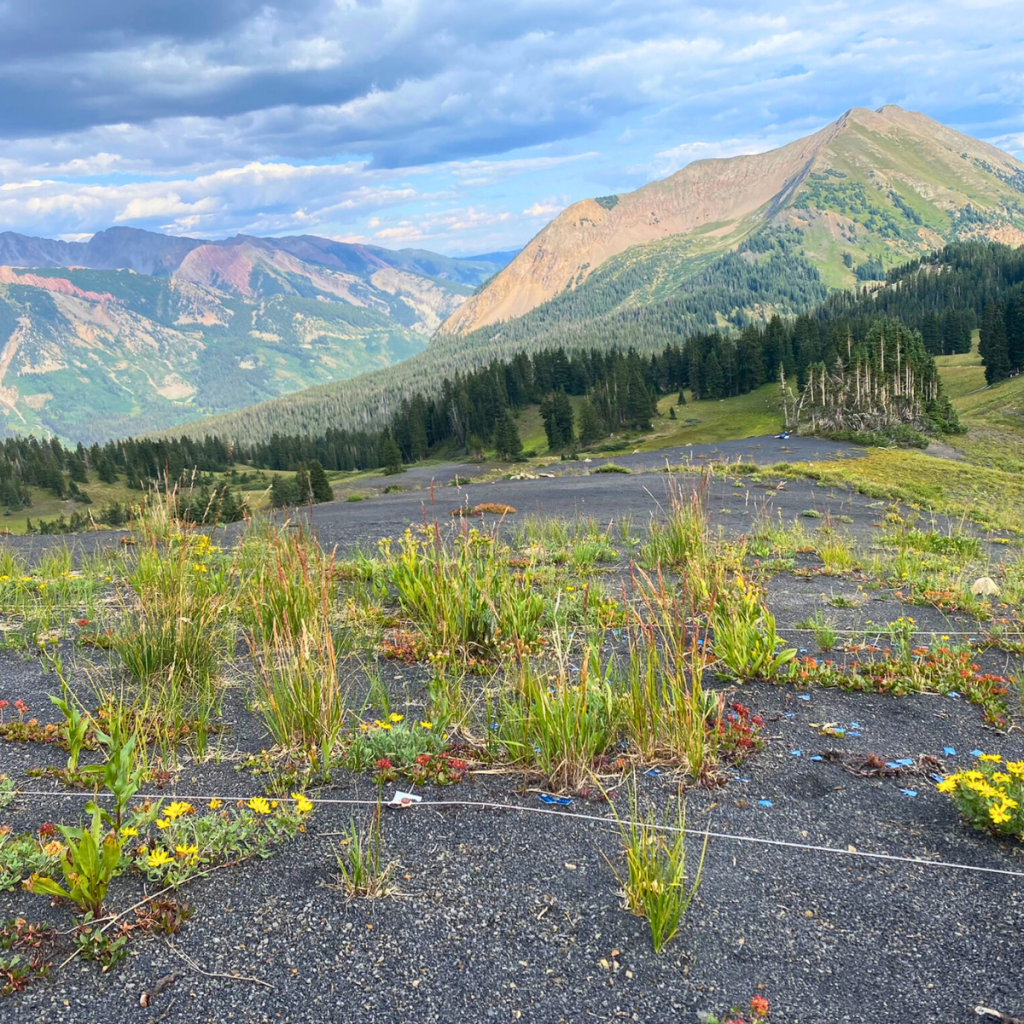
I am a collaborator on the NSF Long Term Research in Environmental Biology (LTREB) project, “Collaborative Research: Whole-community plant demography in a variable environment: assembly mechanisms and outcomes in the Colorado alpine.” We aim to develop demographic models to better assess and predict climate change outcomes for alpine plant communities.
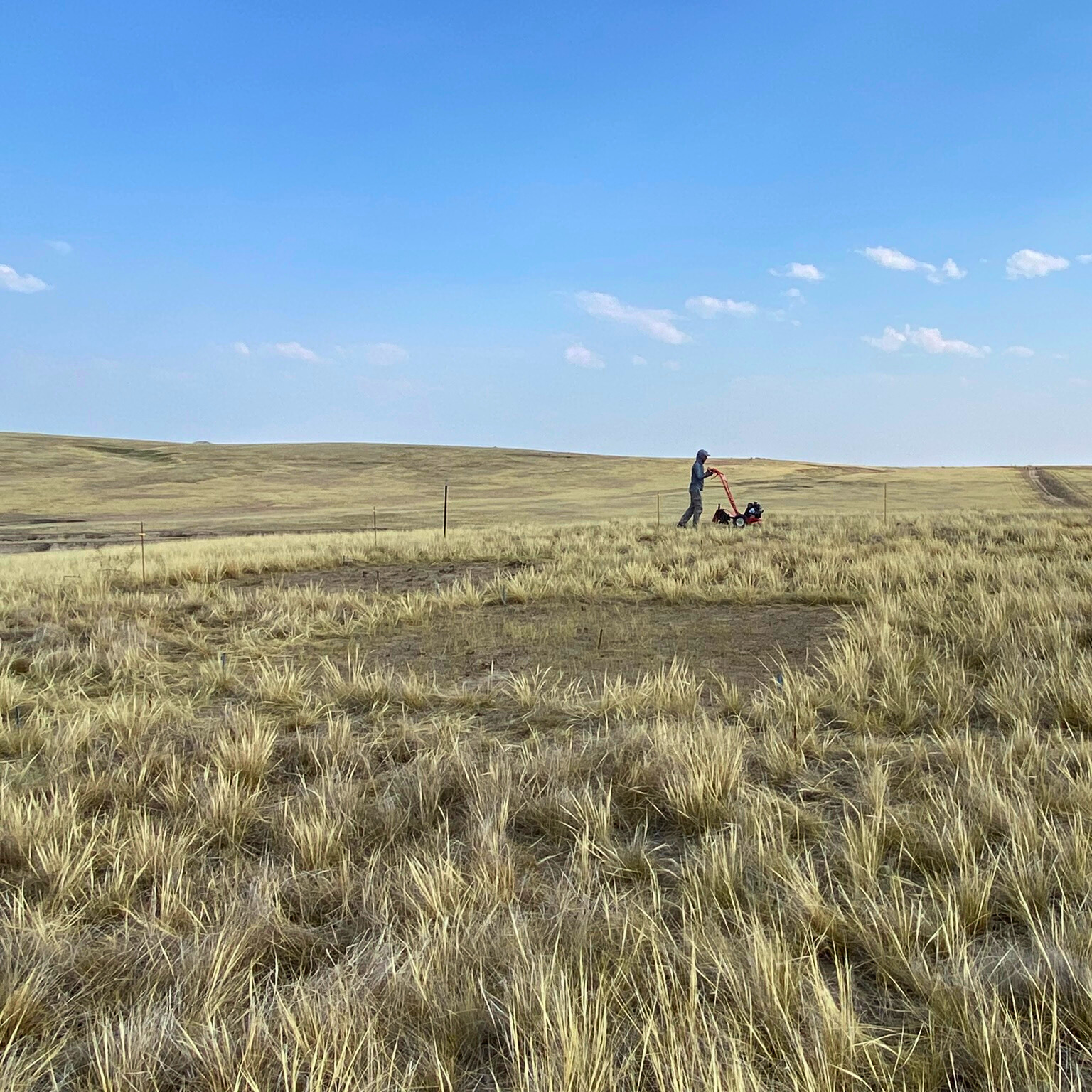
I am part of the Disturbance and Recovery Across Global Grasslands Network (DRAGNet) and help maintain experimental plots at the University of Wyoming’s Sustainable Agriculture Research and Extension Center near Lingle, Wyoming. The goal of this research is to compare responses to perturbations, such as nutrient addition and tilling, in grasslands around the world.
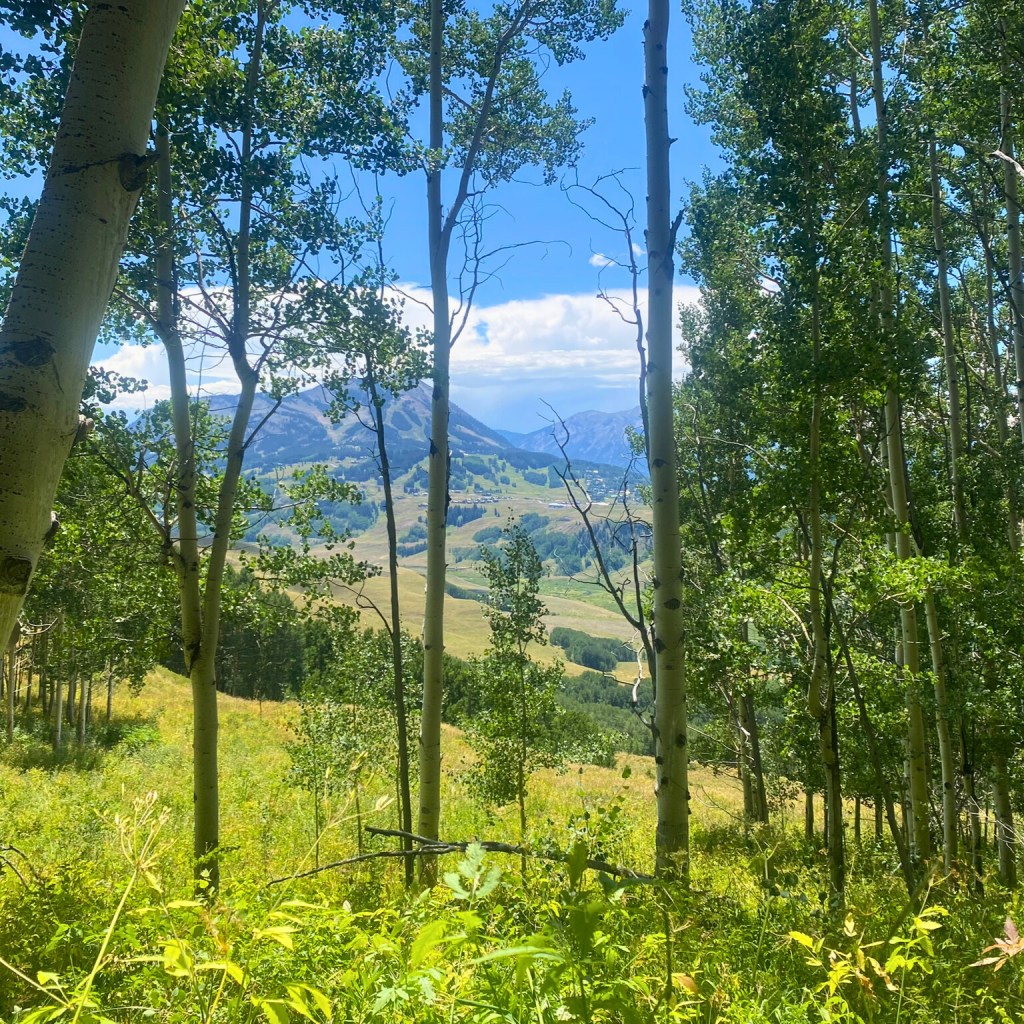
Quaking aspen (Populus tremuloides) holds many superlatives: it is the most widespread tree in North America and, due to its clonality, ranks among the largest organisms in the world. Its populations are also experiencing profound declines in the western United States. With collaborators, I am interested in how tree cytotype, sex, stem size, and clone size interact with environmental conditions to determine aspen demography.
PhD research
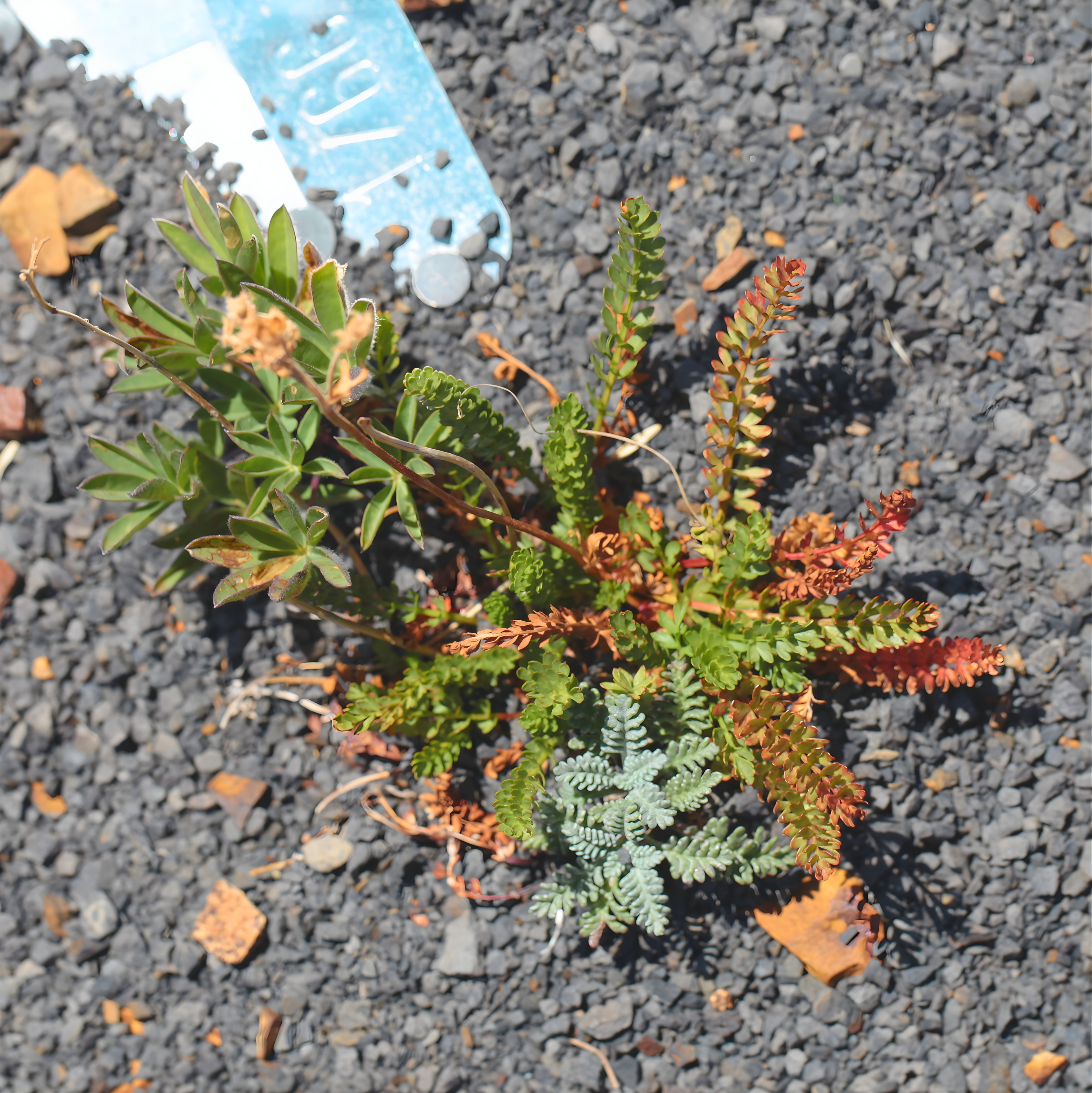
My PhD focused on how demography, species interactions, and seed dispersal contribute to community assembly in an alpine community on Mt. Baldy, Colorado, near the Rocky Mountain Biological Laboratory. Key insights include: 1) demonstrating how fine-scale microhabitat modification shapes plant performance; 2) highlighting the role of seed trapping and retention in dispersal outcomes; and 3) identifying differences in demographic responses to environmental stochasticity between juvenile and adult plants.
Master’s research
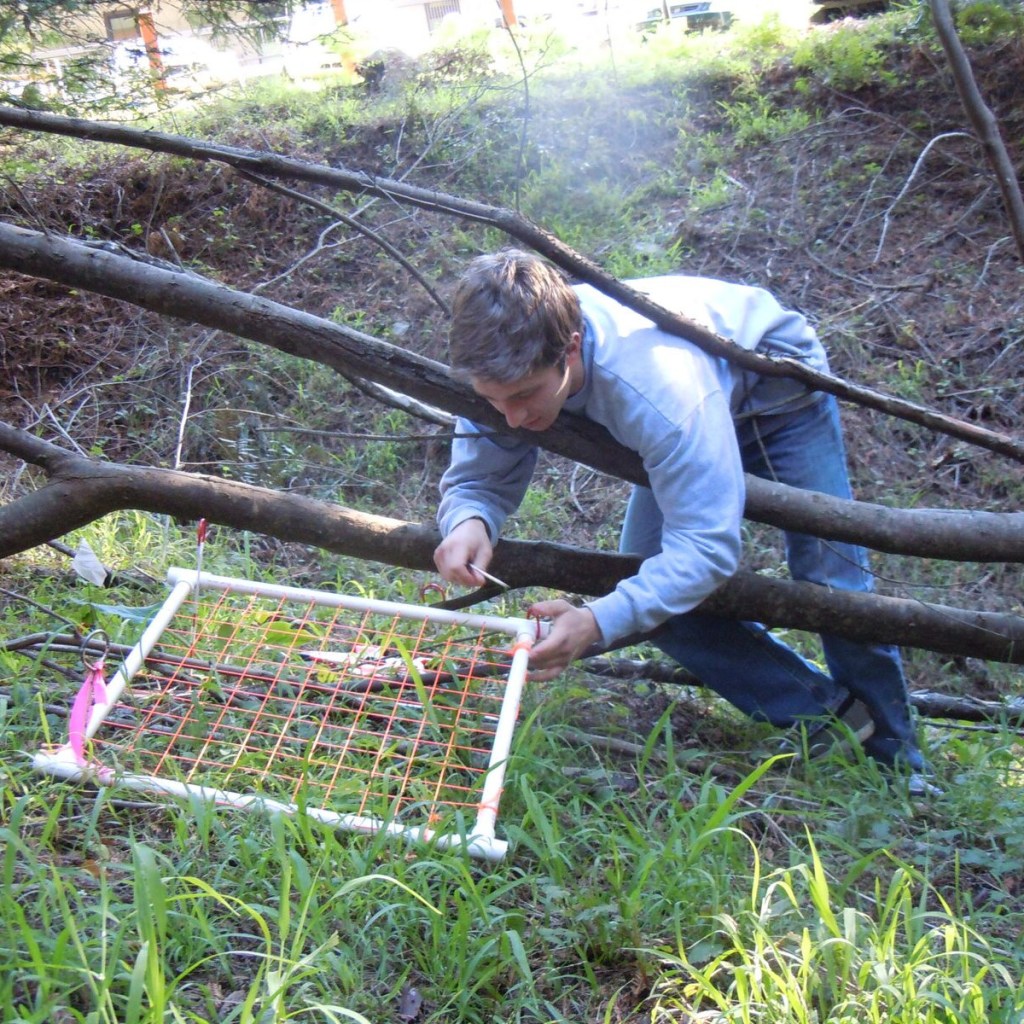
During my master’s at UC Santa Cruz, I measured invasion impacts from the perennial grass, Ehrharta erecta, in a mixed-evergreen forest in Santa Cruz County, CA. Compared to non-invaded plant communities, E. erecta increased vegetative biomass and shifted community composition, but did not have significant effects on native species richness. I also compared the efficacy and cost of different management methods. Pictured is my first undergraduate research assistant, Nik Madsen, during his freshman year. Learn more about his legacy and memorial endowment here.
 courtenayray.com